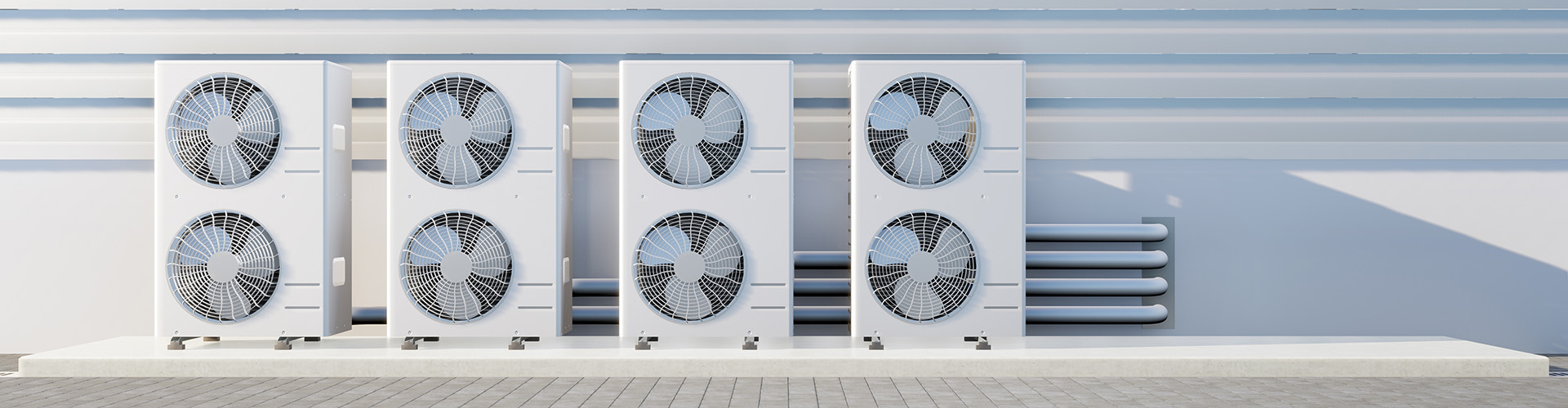
Air pollution is a growing problem in many cities and industrial areas, leading to poor air quality and health risks. Breathing in polluted air can have serious consequences for your health, but it’s hard to avoid when you live or work in an area with high levels of pollutants. At GESSNER, we provide high efficient filter media solutions for Heating, Ventilation, and Air Conditioning filter elements to trap particulate matter like dust and dirt before they enter the indoor environment.
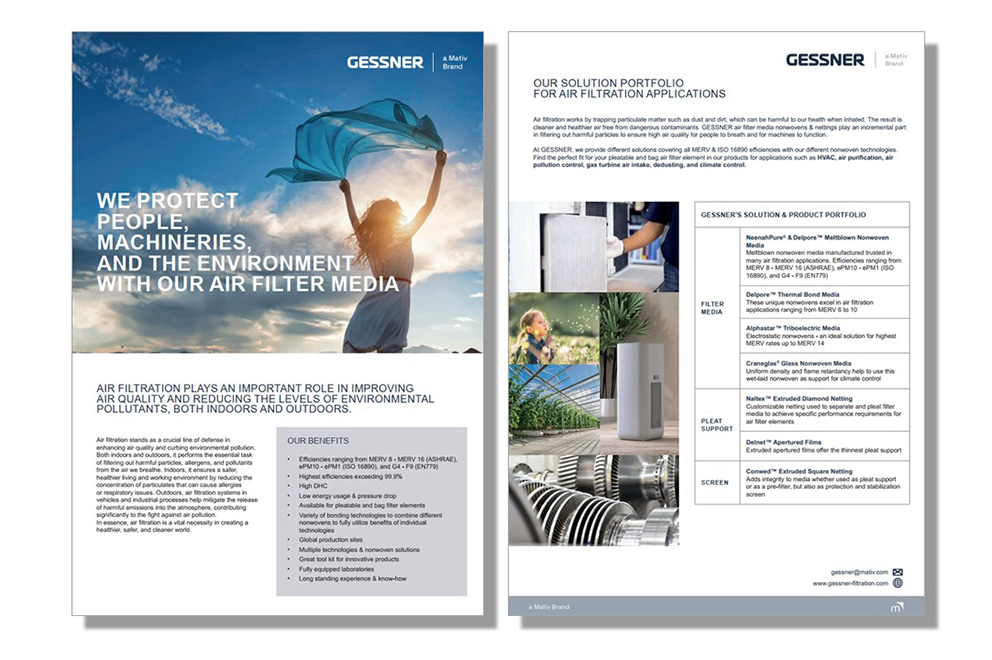
At GESSNER, we produce meltblown nonwoven media for pocket and pleated filter. With no harmful fiber shedding our media allow for a safe and healthy environment. We offer a broad filter media portfolio according to EN779:2012, ISO 16890, and ASHRAE. Additionally, filter media are being developed based on individual needs and customer requirements regarding efficiency, energy consumption or filter lifetime.
Our electrostatically charged NeenahPure™ and Delpore™ meltblown medias can reach efficiencies up to 99.9%. By applying electrostatic charge we can increases the efficiency significantly but still maintain a low pressure drop. We can offer a standard product portfolio but also develop tailor-made media specific to our customers’ needs.
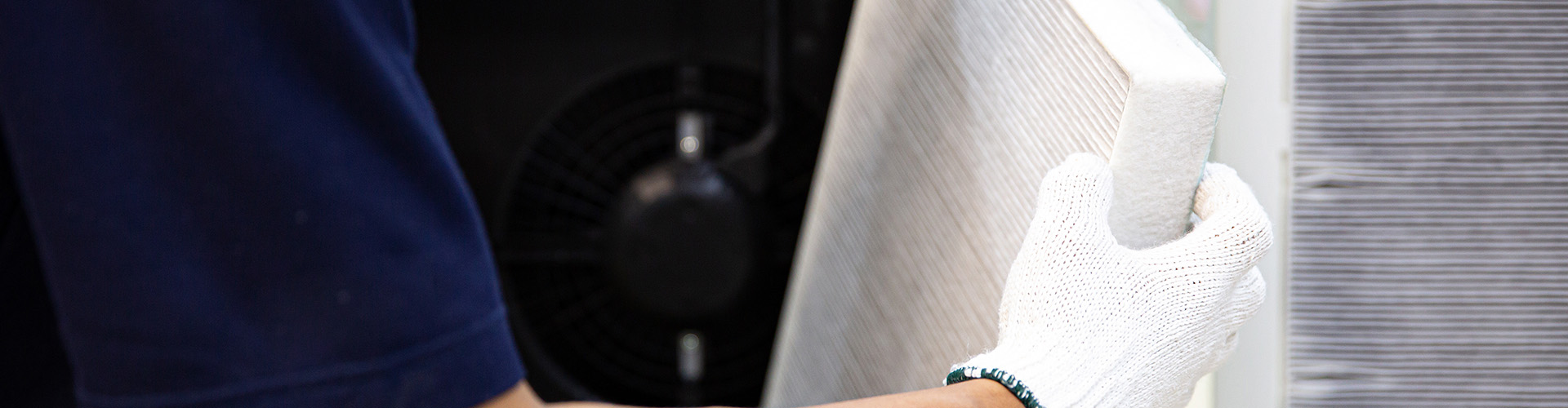
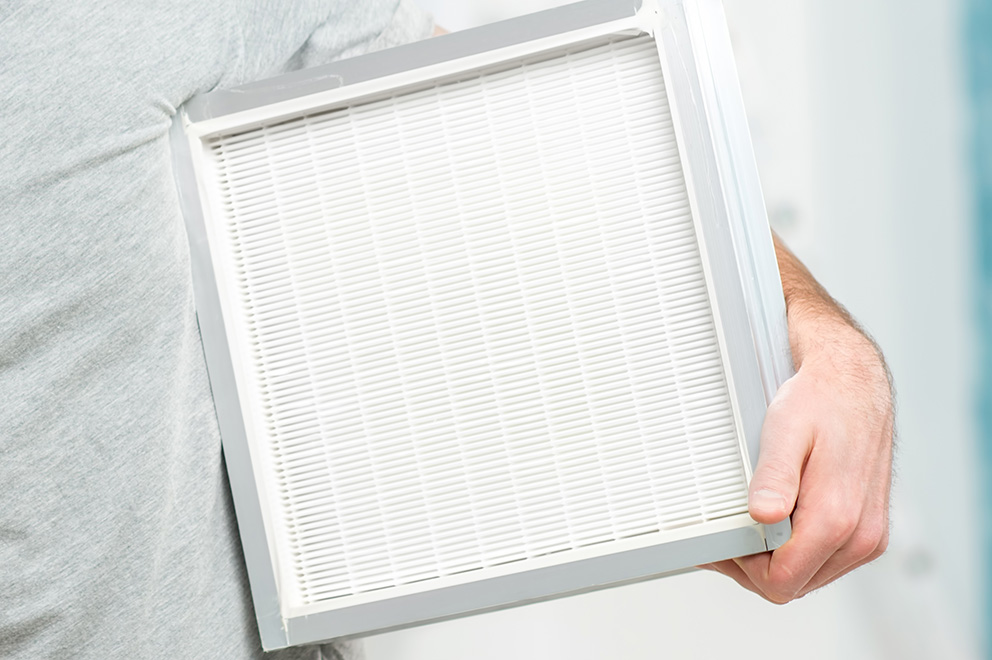
Our high-performance meltblown filter media is specifically engineered for pleated filter elements, offering excellent pleatability, structural integrity, and consistent filtration efficiency. For added support and durability, this media is also available as a composite solution combined with our Naltex™ netting—ensuring optimal airflow and pleat stability in demanding HVAC applications.
LEARN MORE
Designed for high dust-holding capacity and low pressure drop, our meltblown filter media for bag filters delivers reliable performance across a wide range of HVAC systems. The media is available in various efficiency classes and can be tailored to meet specific airflow and service life requirements.
LEARN MORE
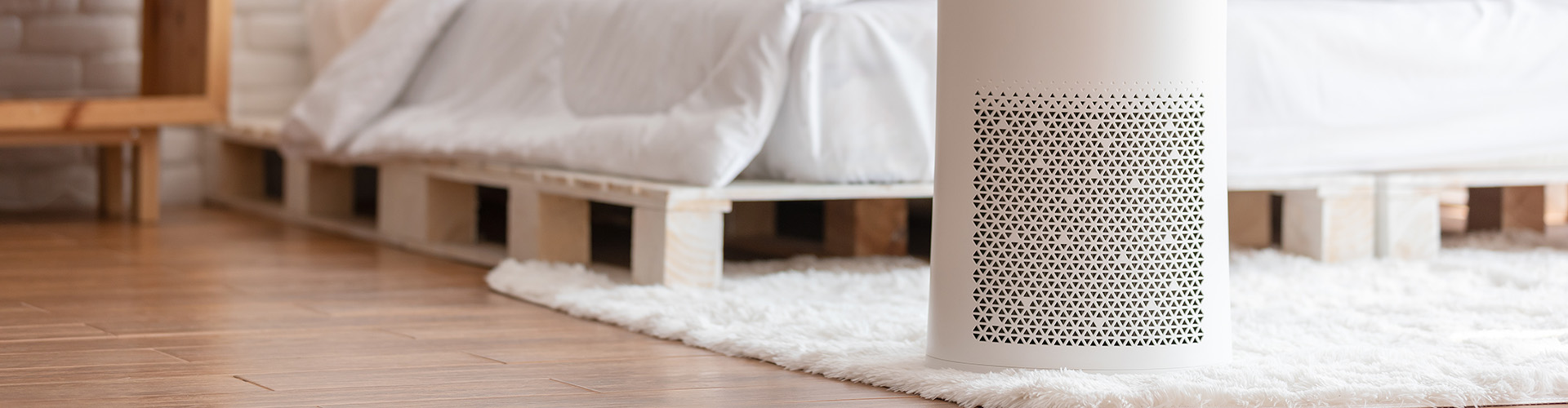
We now offer our NeenahPure™ meltblown nonwoven with an integrated activated carbon layer, suitable for both pleated and bag filter formats. This high-efficiency, electrostatically charged media captures and neutralizes volatile organic compounds (VOCs), odors, and other airborne contaminants. The activated carbon layer can be customized to meet your specific filtration goals, and we offer a broad portfolio of media combinations to match your application’s performance and regulatory needs.
LEARN MORE
Naltex™ diamond nettings provide pleat support for air filter elements, helping them to function efficiently and effectively. They are made for maximum strength and durability. This mesh structure provides excellent support for the pleats of the filter media, which allows it to capture more particles while still allowing air to flow freely through the filter. In addition, Naltex™ nettings are resistant to corrosion, degradation, and other forms of wear and tear, making them an ideal choice for air filtration applications.
We also offer combined solutions of filter media with integrated netting, delivering enhanced structural stability and simplified filter assembly for pleated HVAC applications.
LEARN MORE
Conwed™ square nettings are ideal for use as a screen in air filter elements, providing not only protection but also crucial stabilization. The netting's robust structure supports the filter element, maintaining its shape and integrity even under varying airflow conditions. This stability ensures consistent performance and prolongs the lifespan of the filter element. Whether you're dealing with HVAC systems, industrial filtration units, or air purifiers, Conwed™ nettings offer the strength and resilience needed to keep your air filter elements steady and efficient.

LEARN MORE
We had the pleasure of interviewing Franziska Winterer, Senior Account Executive in the Sales department at GESSNER. Ms. Winterer plays a key role in the development and market launch of new products in the HVAC sector.
In this interview, she will provide insights into her work, explain the challenges in developing HVAC media, and highlight the importance of close cooperation between Sales and Development.

Meltblown filter media is a nonwoven fabric made of ultra-fine fibers produced by blowing molten polymer through tiny nozzles. The result is a web of microfibers that can trap very fine particles. In HVAC filters, meltblown media provides high filtration efficiency (capturing dust, pollen, even bacteria) while keeping airflow resistance low. This combination makes HVAC systems effective at cleaning air without overworking fans.
By capturing fine airborne contaminants, meltblown filter media prevents pollutants like fine dust, allergens, and even some pathogens from circulating indoors. High-efficiency HVAC filters with meltblown layers can remove a large fraction of PM2.5 and smaller particles, leading to cleaner, healthier air. This is crucial for occupant health, as poor indoor air quality can cause respiratory issues. In short, meltblown media enables HVAC filters to dramatically improve indoor air purity.
GESSNER’s meltblown nonwoven media is electrostatically charged (enhancing its ability to attract and trap fine particles) while maintaining a low pressure drop. Key advantages include: up to 99.9% filtration efficiency on particles in certain ranges, no harmful fiber shedding (unlike fiberglass alternatives), and compatibility with global standards (meets ISO 16890 (ePM1, ePM2.5, etc.), EN779 G4-F9, and ASHRAE MERV 8–16 requirements). This means customers get high-performance filtration with energy-efficient airflow and safety in handling.
These are standardized measures of filter efficiency. MERV 15 (from ASHRAE 52.2) indicates the filter can remove over 85% of very fine particles ~0.3–1 micron in size. ISO ePM1 85% (from ISO 16890) similarly means the media captures 85% of particulate matter 1 µm and smaller. In practice, a higher rating means the filter stops finer particles. GESSNER’s HVAC media range spans from coarse filters (MERV 8 / ISO ePM10) up to very fine (MERV 16 / ISO ePM1 ~95%), covering the needs of standard HVAC up to near-HEPA levels.
An electrostatic charge on fibers gives them the ability to attract particles like a magnet. In meltblown media, charging the microfibers (as in GESSNER’s NeenahPure™ media) significantly increases capture efficiency for sub-micron particles without making the filter denser. Particles that might be too small to catch via mechanical sieving become attracted to the charged fibers (this is called an “electret” effect). The benefit is achieving high filtration efficiency with only a minor pressure drop penalty, which keeps HVAC systems running efficiently.
Yes – one of the reasons meltblown media is popular in HVAC is its low air flow resistance relative to its level of filtration. Lower pressure drop across the filter means the HVAC fan doesn’t have to work as hard to push air through, which reduces energy consumption. For example, GESSNER’s advanced media designs focus on optimizing fiber size and web structure to maximize dust capture while minimizing resistance. Additionally, longer filter life (due to high dust-holding capacity) means filters are changed less often, indirectly saving energy and maintenance resources.
It depends on the environment, but generally high-efficiency HVAC filters (like those using meltblown media) are replaced every 3–6 months in typical commercial settings. However, if the environment has unusually high dust or pollutant levels, more frequent changes (e.g. every 1–2 months) may be necessary to maintain performance. The good news is GESSNER’s meltblown media has a high dust-holding capacity – meaning it can capture a lot of particulate before airflow is compromised. This extends usable life compared to lower-quality media. Always monitor pressure drop or follow a preventive maintenance schedule for best results
Both can achieve high filtration efficiency but differ in material and behavior. Meltblown media is made of synthetic microfibers (e.g. polypropylene) and can be electrostatically charged for extra efficiency. It is physically durable and does not shed brittle fibers. Micro fiberglass media uses fine glass fibers and relies mainly on dense fiber packing for filtration (mechanical capture). Fiberglass can be very effective (often used for HEPA filters) but the fibers are brittle; older fiberglass filters have been known to shed small glass fragments. GESSNER’s meltblown, by contrast, contains no glass – ensuring no risk of inhaling glass shards and simplifying disposal. Additionally, synthetic media can be tailored (e.g., layered or charged) more easily to balance efficiency and pressure drop.
Yes. One of GESSNER’s strengths is developing tailor-made filter media to meet specific customer requirements. For example, if an application demands extremely low pressure drop at a certain efficiency level, or needs a special size/format for a unique filter design, GESSNER can adjust fiber composition, basis weight, or add layers (like an activated carbon layer for odor control). We have a wide technology toolkit (meltblown, triboelectric, composite layers) and global R&D resources to design media for targets like extended lifespan, antimicrobial properties, fire resistance (meeting UL/DIN safety standards), etc. This customizability ensures the HVAC media perfectly fits the end-use – whether in standard office AHUs or in demanding industrial cleanrooms.
Absolutely. Our filter media are tested and rated according to international standards. They comply with ISO 16890 (the global standard for classifying HVAC filter efficiencies by ePM categories) and the earlier EN 779 rating system (G and F classes). In the U.S. market, they cover ASHRAE MERV 8 through 16 ranges. Meeting these standards means the media performance is rigorously validated – for instance, an ISO ePM1 80% media is proven to remove 80% of PM1 fine particles in lab tests. Customers can be confident that using our media in a filter design will allow the final filter to obtain the desired ISO/MERV rating and comply with building requirements for air filtration.
Naltex™ extruded diamond netting is used as pleat support in HVAC filter elements. It reinforces the pleated structure, ensuring consistent spacing and stability, which helps maintain optimal airflow and filtration performance throughout the filter’s service life.
Naltex™ netting offers high strength, durability, and resistance to corrosion and wear. It helps filters maintain their shape under varying airflow conditions, improves dust-holding capacity, and supports efficient air passage by preventing pleat collapse. Compared to traditional metal mesh, extruded nettings like Naltex™ are significantly lighter, corrosion-resistant, and easier to handle during filter manufacturing. They also eliminate the risk of sharp edges, reduce material costs, and offer greater design flexibility - making them a safer, more efficient, and cost-effective alternative for pleat support in HVAC filter elements.
Conwed™ square nettings are used as screens in air filter elements to provide essential stabilization and protection. Their robust structure supports the filter media, maintaining its shape and integrity even under fluctuating airflow. This ensures consistent filtration performance and extends the filter’s operational life.
Yes, we offer combined solutions where our high-performance meltblown filter media is pre-laminated with Naltex™ netting. These ready-to-convert formats simplify filter production, enhance structural stability, and ensure consistent pleat formation and media protection.
Our integrated solutions are ideal for pleated HVAC filters used in commercial, residential, and industrial air filtration systems. They are especially beneficial in applications requiring high efficiency, low pressure drop, and long service life.
Absolutely. We tailor our combined solutions to meet your specific requirements, including efficiency class, pressure drop targets, pleat geometry, and material compatibility.