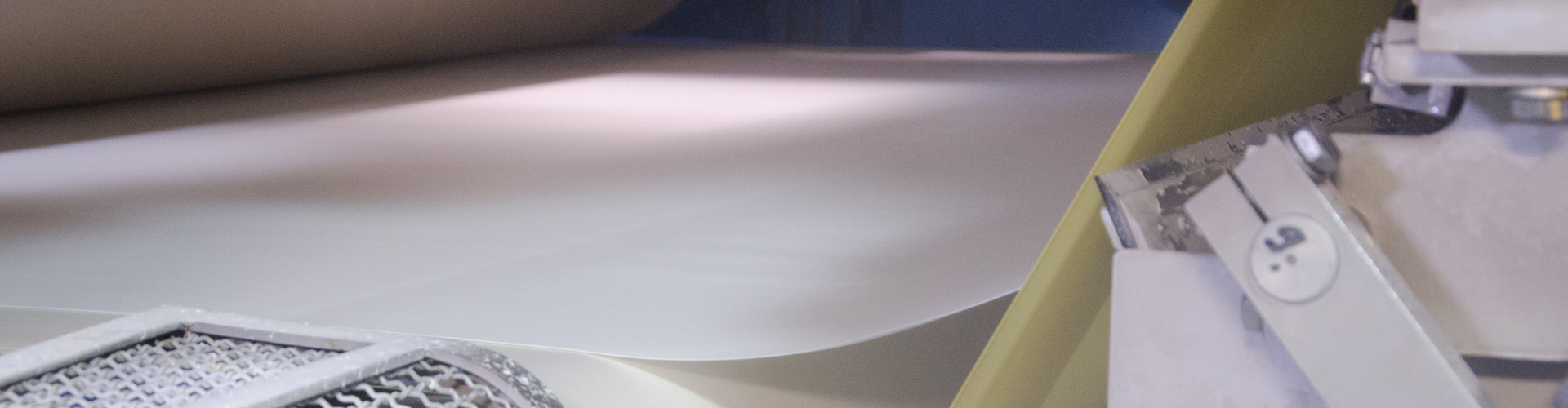
Cellulose wet-laid nonwoven offers versatility for filtration solutions when it comes to adding special properties to the product.
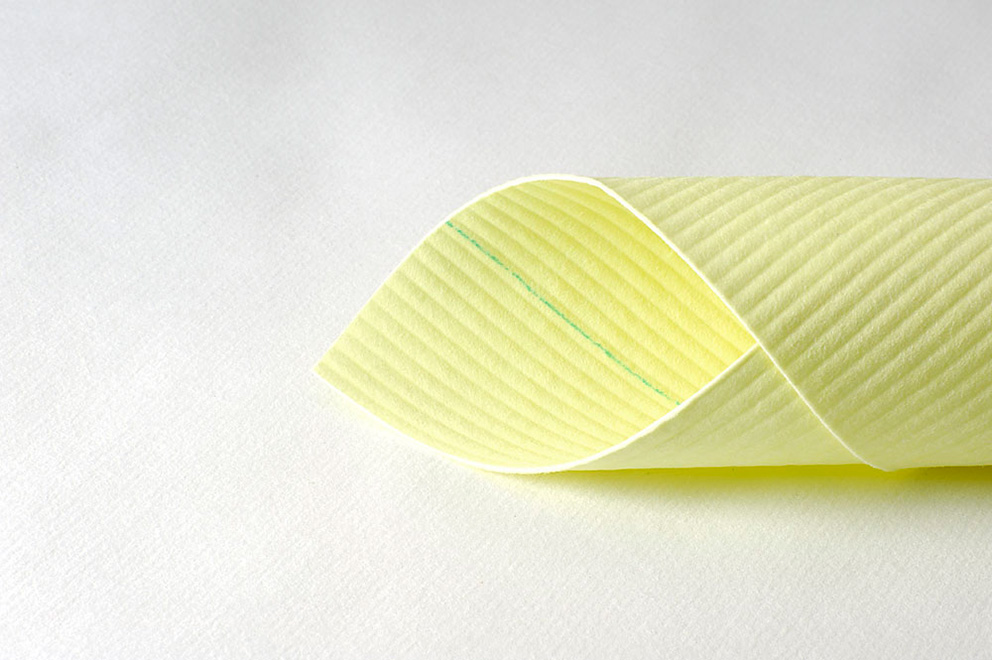
With cellulose fibres, you can achieve a range of desired characteristics, from strength to stretch and different surface textures.
Our inclined and flat wire paper machines provide exceptional performance when it comes to producing technical special papers. With these machines, you can achieve weights of 18 – 250g/m² and air permeabilities of 1 – 2000 l/m²/s. This ensures that you have the perfect product for your needs every single time. Alongside selected cellulose fibres, we use synthetic, glass or carbon fibres to give further special properties, such as strength.
With creping technology, we can achieve different surface characteristics, from very fine to very rough crepe profiles, and with various stretch properties.
The saturation process is the key to our cellulose-wet-laid technology. This process allows us to create stronger, more durable nonwovens with improved properties. Our unique saturation process helps to create stronger, more durable nonwovens that can withstand higher temperatures and pressures. This helps to improve the performance of filtration applications, providing superior filtration efficiency, longer lasting filtration solutions, and many more characteristics.
Special additives, depending on need, can be added to give further functionality. For example, hydrophobic, hydrophilic or oleophobic properties, flame retardancy, various colors, UV stability, bactericides, fungicides, etc, can all be built-in. Using further coating devices, we can add still further functionalities. Our ability of an asymmetric saturation process provides many different functionalities of cellulose-based media. This technology ensures that the impregnation of our filter media can provide optimal filtration capabilities when used in a range of industrial settings, especially when it comes to customized and very special requirements.

Cellulose filter media refers to filter material made from cellulose fibers (often formed into a wet-laid nonwoven paper).
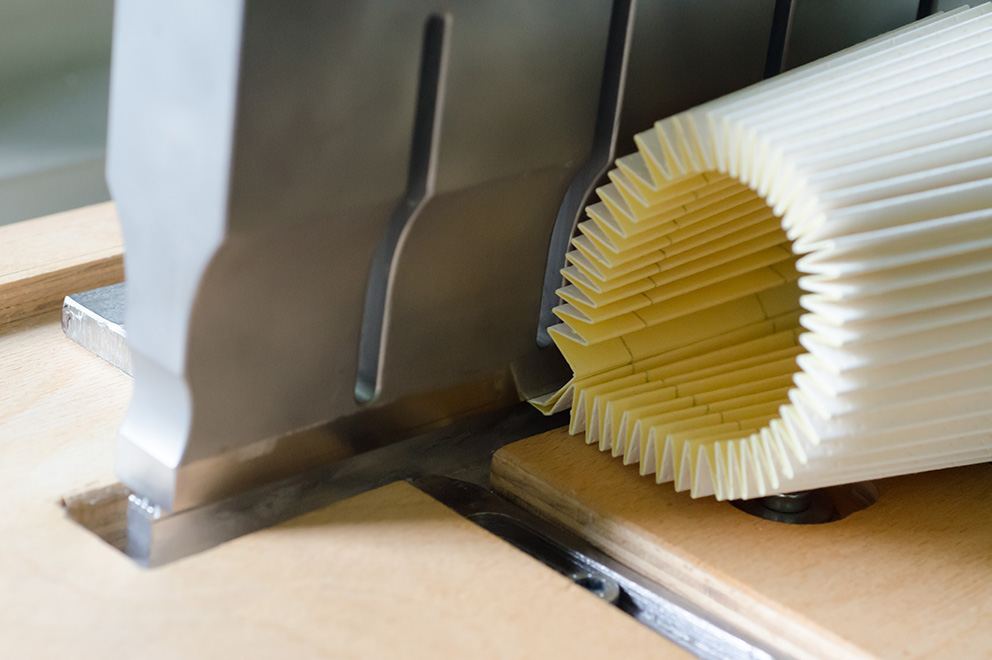
It is valued for its versatility and effective performance in filtration. The material can be engineered to exhibit a range of properties - for example, high strength, stretchability, or varied surface textures - to suit different filter applications. In use, cellulose media provides reliable, high filtration efficiency, capturing very fine particles from fluids or air streams. It also handles wear and tear well and is easy to pleat into filter elements, so filters maintain their performance over a long service life.
In short, cellulose is a proven, adaptable fiber that produces filter media which is strong, efficient at trapping contaminants, and durable in operation.
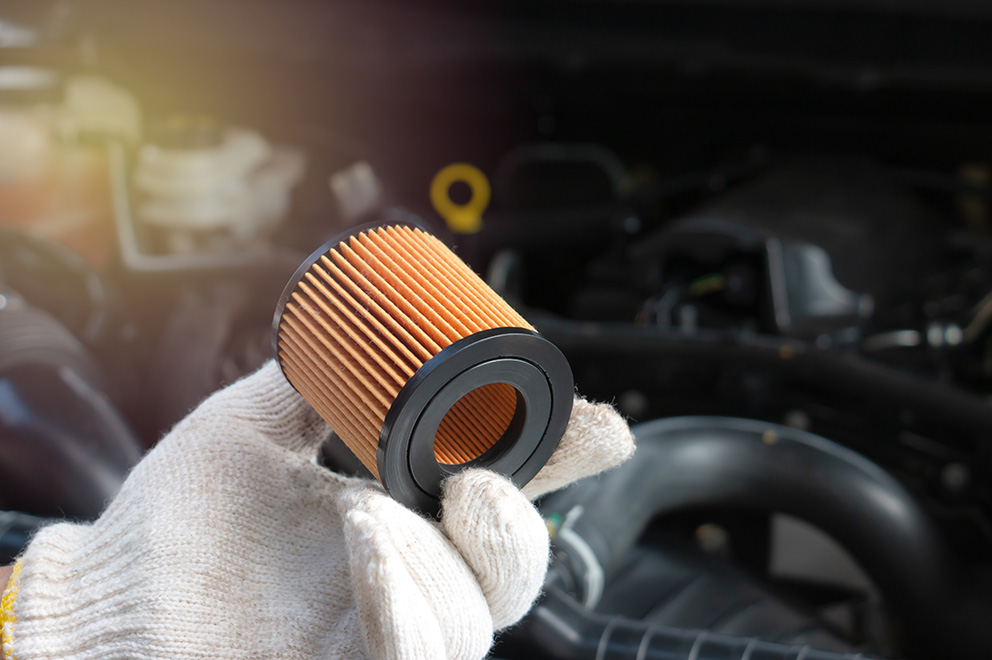
GESSNER incorporates cellulose-based media across multiple filtration product lines, covering both air and liquid filtration needs. For instance, the company offers dedicated air filter media made of cellulose for engine intake filters (such as those in vehicles or gas turbines). Likewise, it provides liquid filter media made of cellulose for applications like fuel and oil filtration, hydraulic fluid filters, and other industrial fluid filters.
Cellulose media even appears in specialized areas of the portfolio – for example, in healthcare respiratory filters (heat and moisture exchange filters), where 100% cellulose media help remove bacteria and humidify breathing air for patients. This wide usage underscores that cellulose is a key material in GESSNER’s range, from automotive and industrial filtration to life science applications.
Below is a summary of GESSNER’s cellulose-based filter solutions, their typical uses, and key features:
| Cellulose Filter Product | Typical Applications | Key Features |
| Engine & Gas Turbine Air Intake | Engine air filters (automotive); Gas turbine air intake systems | - High filtration efficiency for fine dust; maintains low restriction for engines |
Fuel & Oil Filtration | Diesel fuel filters; Engine oil filters | - Multi-layer media (cellulose with synthetic layers) achieves up to 99.95% particle removal (for ≥4 µm particles) |
| Hydraulic & Industrial Liquids | Hydraulic fluid filters; EDM machine filters; Food & beverage liquid filters | - Fine filtration capability (captures particles down to ~1 µm in size) |
| Medical (Respiratory HME) | Heat and Moisture Exchanger (HME) filters in ventilators and breathing devices | - Traps bacteria and viruses, preventing transmission of infections in respiratory care |
GESSNER’s cellulose-based filter media offer several notable performance advantages:
High Filtration Efficiency: They reliably trap fine particles to protect engines and equipment. For example, certain multi-layer cellulose media can remove around 99.95% of particles larger than 4 μm, and even standalone wet-laid cellulose can capture contaminants in the ~1 μm range, which means even very small dust or impurities are filtered out effectively.
Strong Dirt Holding Capacity: The media can hold a large amount of particulate before needing replacement. In engine intake applications, specialized cellulose media designs offer up to 100% more dust-holding capacity (DHC) under high airflow conditions, significantly extending filter life. Even at lower flow rates, optimized cellulose filters can hold more dirt (e.g. ~20% more) than standard media while still maintaining filtration efficiency. This high capacity translates to longer service intervals and less frequent filter changes.
Mechanical Durability: GESSNER’s cellulose filter papers are engineered for strength and stability. They exhibit high stiffness in both dry and wet conditions, meaning the filter media retains its shape and performance even when exposed to moisture or when loaded with particulate. Additionally, the media resist degradation at elevated temperatures, which is crucial for engine and industrial filtration environments. This robustness ensures reliable operation in demanding conditions (vibration, heat, humidity) without tearing or collapsing.
Processability and Customization: The cellulose media can be easily processed (e.g. pleated or formed) during filter manufacturing, thanks to its fiber structure and optional creping/embossing techniques. GESSNER can tailor the media with different fiber blends (adding synthetic, glass, or carbon fibers alongside cellulose) and various basis weights or permeability levels to meet specific requirements. They also offer both fast-curing and non-curing resin systems, which gives filter manufacturers flexibility in processing and allows the media to be used in different production setups.
Flame Retardant Options: For safety-critical applications (such as engine air filters near ignition sources), GESSNER provides cellulose filter media in flame-retardant formulations. These special grades meet stringent fire safety standards – for instance, the media have been tested to DIN 53438 (a standard for flame resistance in filters) – ensuring they self-extinguish and do not propagate fire. Despite the flame-retant treatment, they maintain excellent filtration properties. The materials are also made without hazardous additives: they contain no heavy metals or halogenated compounds, and no chemicals restricted by the automotive VDA list, so they comply with strict health and environmental safety guidelines.
In summary, the technical highlights of GESSNER’s cellulose media are its fine particle filtration efficiency, high dirt capacity for long life, strong performance in challenging conditions (water, heat, etc.), and the ability to be customized (in composition and treatment) including making them flame-retardant when needed.
These features make the media suitable for a wide range of demanding filtration tasks, from protecting sensitive engine components to ensuring clean air in industrial and medical contexts.
Yes. GESSNER has made sustainability a key focus in its cellulose filter media line. There are a few major ways these products are environmentally friendly:
Bio-Based Resin (Lignin Saturation): GESSNER offers an eco-conscious alternative to traditional petroleum-based binders (phenolic resins) by using lignin, a natural polymer derived from wood, to saturate and bond the cellulose fibers. This lignin-saturated cellulose filter media replaces fossil-based resin with a renewable material. The result is a comparable high-performance filter paper that has a significantly lower carbon footprint. By using lignin in place of phenolic resins, the process consumes less crude oil – saving up to ~100 kg of oil per ton of filter media produced – and drastically reduces harmful formaldehyde emissions during curing. In practice, this means manufacturers and end-users get the same filtration efficiency and durability but with a material that contributes less to carbon emissions and air pollutants.
Responsible Sourcing of Cellulose: The company ensures that the raw cellulose fibers come from sustainably managed forests. Specifically, GESSNER’s filter papers are available with FSC® (Forest Stewardship Council) certification. This certification guarantees that the cellulose pulp is sourced from responsibly managed forests and supply chains. Using FSC-certified media allows GESSNER’s customers to label their end products as FSC certified as well, signaling compliance with strict sustainable forestry standards. In short, the use of certified fiber helps protect forests and supports environmental stewardship.
Reduced Energy Usage: An additional eco-benefit comes indirectly from the media’s performance qualities. Because the cellulose filters have high efficiency and holding capacity, filtration systems can run longer and at lower pressure drop for a given level of cleanliness. This contributes to lower energy consumption during operation (for example, an industrial HVAC system or engine with a high-efficiency, low-restriction filter does not have to work as hard to pull air through). Thus, the product not only is greener in its materials but can also make the filtration process more energy-efficient over time.
No Compromise on Performance: Importantly, these sustainability features are achieved without compromising filter performance or longevity. The lignin-based filters still meet all the required physical and filtration specs, and even options like flame-retardant treatments are compatible with the eco-friendly binder. This means adopting a greener product does not force a trade-off in quality or efficacy – a critical point for industry acceptance.
By combining renewable materials (like lignin binder), certified sustainable fibers, and designs that support energy-efficient usage, GESSNER’s cellulose filter media align with modern sustainability goals.
Yes. GESSNER’s cellulose filter media comply with relevant quality and industry standards, and various certifications are available:
Forest Stewardship Council (FSC®) Certification: As noted, the cellulose media can be supplied with FSC certification. This is an important certification for sustainability, ensuring the product is made with cellulose from responsibly managed forests. For customers, using FSC-certified filter media means they can in turn market their products with the FSC label, demonstrating adherence to strict environmental and social standards in the supply chain.
Flame Resistance and Safety Standards: GESSNER’s flame-retardant cellulose filter grades meet critical fire safety and automotive standards. The company was a pioneer in developing flame-resistant engine air filter media, and these products are tested according to DIN 53438 (the standard test for self-extinguishing properties in filter media). They also fulfill automotive OEM requirements – in other words, they comply with the stringent specifications set by major European vehicle manufacturers and their OES (Original Equipment Service) programs for safety and performance. This compliance is crucial for filters used in engine compartments. In addition, the compositions are made to be environmentally safe: the media contain no heavy metals or halogenated compounds, and no chemical substances that appear on the automotive industry’s VDA prohibited substance list. Meeting these standards means the filters are not only effective, but also meet health, safety, and environmental regulations in their target industries.
Quality and Performance Standards: Although specific filtration efficiency standards (like ISO test standards for filter performance) aren’t explicitly mentioned on the website, GESSNER’s emphasis on “state-of-the-art physical properties” and adherence to OEM specs implies that their products are designed to meet or exceed the usual industry benchmarks for each application. For instance, in fuel and oil filtration, multi-layer cellulose media achieving 99.95% efficiency at 4µm would align with high filtration grade requirements. In air filtration, the ability to maintain low pressure drop at high dust loads speaks to meeting performance standards for engine intake filters. Furthermore, GESSNER’s in-house R&D and testing ensure each customized media solution consistently meets the desired standards for efficiency, capacity, and strength in its intended use.
In summary, GESSNER’s cellulose filter media come with the necessary certifications (like FSC® for sustainable sourcing) and adhere to industry standards for safety and performance. Whether it’s meeting fire safety tests (DIN 53438 for flame retardancy) or complying with environmental regulations (avoiding restricted substances), these filter media are developed to fully satisfy the regulatory and quality criteria in their respective application areas.
This gives customers confidence that using GESSNER’s cellulose media will support any claims of sustainability and will meet the technical specifications required for their products.
At GESSNER, we believe that true innovation arises where performance and sustainability come together. With our cellulose fiber material with eco-friendly lignin saturation, we are addressing precisely this issue - and opening up new perspectives for…
This cellulose filter media is saturated with an eco-friendly lignin-based resin, ensuring that your filter element offers best performance, while taking a step into more sustainable filtration solutions.
Designed with a strong commitment to reducing carbon footprints and saving of fossil resources, our lignin saturated media is meticulously engineered to provide high-efficiency filtration that meets the highest standards.
Crafted from 100% cellulose fibers with a high long-fiber share, our HME filter media delivers exceptional performance and reliability. Weighting only 90 grams per sqm, it’s one of the lightest HME cellulose filter materials in the market, ensuring…
Our lignin filter media is designed to reduce your product’s carbon footprint. This cellulose filter media is saturated with an eco-friendly lignin-based resin, ensuring that your filter element offers best performance, while taking a step into more…
Filter media with eco-friendly lignin saturation at state-of-the-art performance to reduce your product carbon footprint.