
- Home
- Company Overview
- Applications
- Solutions
- Materials & Technologies
- Trade Shows
- News
- Contact



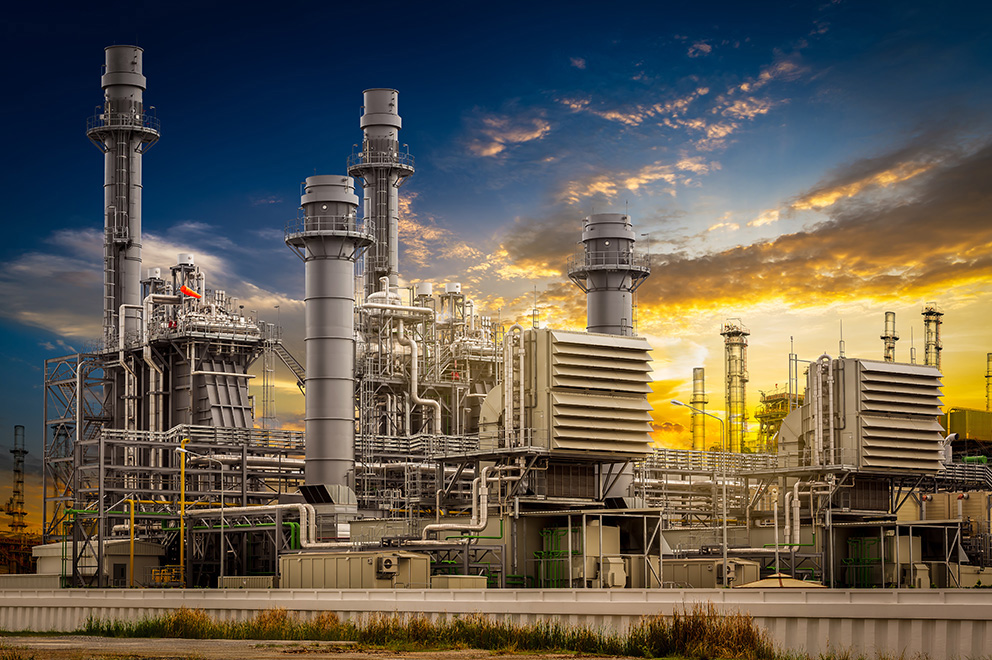




In demanding processes, the wrong plastic can quietly swell, crack, or deteriorate in harsh chemicals or heat. Pleat supports that degrade can lead to pleats collapsing or blocking flow, causing higher pressure drops, shorter filter life, or even…

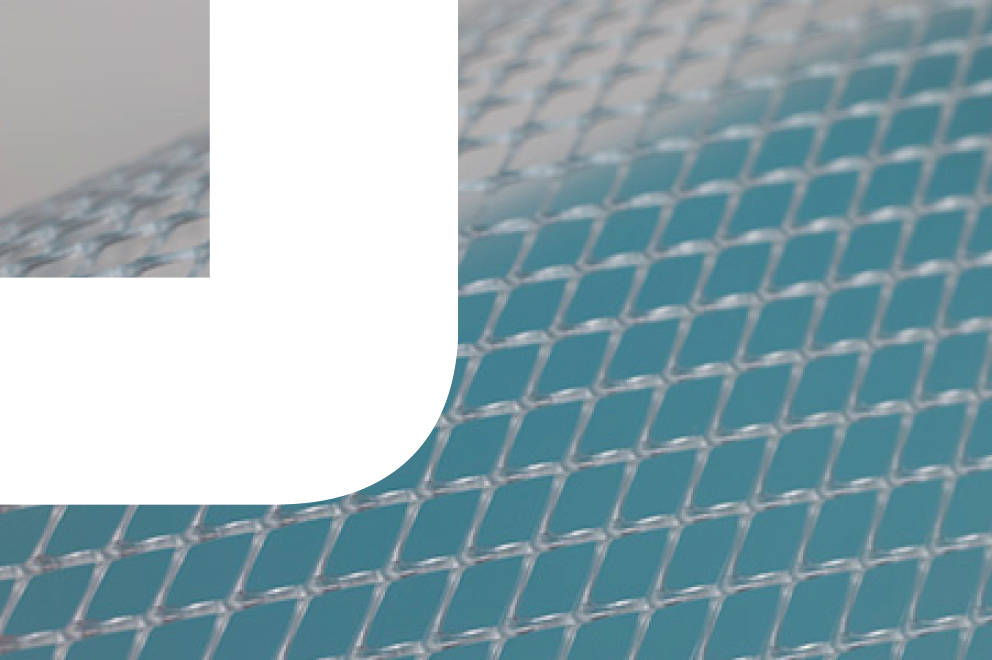
PPS pleat support and separatot netting provide robust, high-temperature and chemical-resistant support to maintain pleat spacing and flow in harsh filtration conditions. Learn more about our PPS netting in harsh filtration environments.

In filtration, polyphenylene sulfide (PPS) stands out as a go-to polymer for harsh conditions.

PFAS, the “forever chemicals” are everywhere, and they’re incredibly hard to remove. But what is it, why are they called “forever chemicals” and why is it so important to remove them?

To better understand the innovative approach of GESSNER's new PFAS filter media we spoke with Dr. Ashish Bandekar, R&D Senior Manager at GESSNER. The interview offers a in‑depth look at the technical considerations shaping the new approach of PFAS…

PFAS contamination – the “forever chemicals” – has become a pressing challenge in water treatment, with increasingly strict regulations worldwide. To help meet these demands, GESSNER has developed a new multilayer PFAS filter media designed for…

Lignin is a natural, complex organic polymer found in the cell walls of wood and plants. It provides structural strength, rigidity, and resistance to decay - enabling plants to grow tall and transport water efficiently.

For filter manufacturers, sustainability must never come at the cost of performance.

Manufacturers around the world face pressure to cut carbon footprints – but nobody wants to sacrifice performance. GESSNER has risen to this challenge by developing a lignin-saturated filter media.